Understanding the Licensing System in the UK: A Comprehensive Guide
The licensing system in the United Kingdom is a diverse framework created to regulate numerous activities, from driving to running a service. It is essential for people and organizations to navigate this landscape successfully, as licenses are frequently needed to make sure security, compliance, and fair practice. This article intends to provide a thorough understanding of the licensing system in the UK, covering numerous kinds of licenses, the application process, and regularly asked concerns.
Types of Licenses in the UK
The UK licensing system includes a huge variety of licenses, accommodating different sectors and activities. Below are a few of the most common types of licenses:
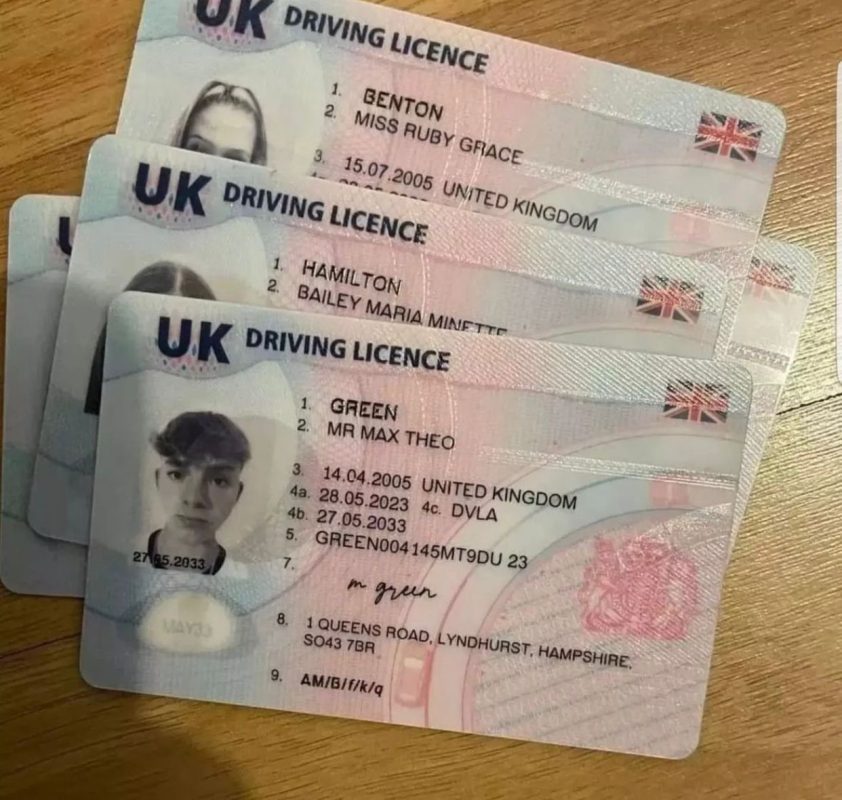
1. Driving Licenses
- Complete UK Driving License: Required for individuals to legally drive on public roadways.
- Provisional License: Allows learners to drive under guidance while preparing for their driving test.
- Taxicab and Private Hire Licenses: Required for drivers of taxis and private hire lorries to ensure they satisfy security and professional standards.
2. Service Licenses
- Alcohol and Entertainment Licenses: Required for facilities that offer alcohol or provide home entertainment.
- Food Business Registration: Mandates any company that prepares or sells food to register with regional authorities.
- Environmental Permits: Needed for services that might affect the environment, such as waste disposal and emissions.
3. Expert Licenses
- Medical Licenses: Necessary for physician to practice and provide healthcare services.
- Solicitor and Barrister Licenses: Required for legal experts to offer legal representation.
4. Other Licenses
- Event and Festival Licenses: Required for hosting occasions that might bring in large crowds or present public safety dangers.
- Drone and Aviation Licenses: Necessary for people or organizations using drones for commercial purposes.
The Application Process
Getting a license in the UK typically includes a systematic application procedure. While the specifics may differ based upon the type of license, the following basic actions can offer a guideline:
1. Identify the Required License:
Identify which license is needed for the intended activity. This might include consulting official resources or regional authorities.
2. Collect Required Documentation:
Prepare all essential files, which may consist of recognition, proof of credentials, or organization information.
3. Send the Application:
Complete the application form-- this could be online or by means of postal service-- and submit it along with the needed documentation.
4. Payment of Fees:
Most licenses feature associated fees, which need to be paid upon application.
5. Wait For Processing and Inspection:
Authorities may evaluate the application and perform examinations where appropriate. Processing times can differ widely.
6. Get the License:
Upon approval, the candidate will get their license, which might stand for a specific period, requiring renewal afterwards.
Keeping Compliance
Licenses typically feature particular commitments that should be abided by in order to keep compliance. Stopping working to meet these conditions can lead to penalties, consisting of fines or cancellation of the license. Here are some typical requirements to think about:
- Regular Renewals: Most licenses require routine renewal. Monitoring expiration dates is important.
- Record Keeping: Many licenses demand detailed records, whether for financial data, customer interactions, or security audits.
- Compulsory Training: Certain occupations require ongoing expert development and training to stay certified.
Often Asked Questions (FAQs)
1. The length of time does it take to get a UK driving license?
The timeframe for acquiring a driving license can differ. For Kurtis Scripter , processing usually takes about 3 weeks. A full license may take several months depending upon the waiting times for driving tests and other factors.
2. What happens if I drive without a valid license?
Driving without a legitimate license can lead to significant fines, points on your driving record, and possible criminal charges, which can result in a driving ban or imprisonment in severe cases.
3. Can I request multiple licenses all at once?
Yes, individuals can get several licenses simultaneously; nevertheless, each application will be evaluated separately based upon its requirements and compliance guidelines.
4. Exist any exemptions to licensing requirements?
Certain activities might have exemptions; for example, volunteer drivers might not need a taxi license under specific conditions. It is best to speak with local policies or legal recommendations.
5. What should I do if my license is lost or stolen?
If a license is lost or taken, it must be reported to the relevant authorities at the earliest opportunity. Candidates can then make an application for a replacement through the suitable channels.
Browsing the UK licensing system is necessary for anybody wanting to take part in activities that require lawful operation, from driving a vehicle to running a business. Understanding the different licenses offered, the application processes, and compliance obligations can assist people and services alike in achieving their objectives while sticking to legal standards. Whether looking for a driving license or an organization license, it is essential to stay educated about the constant changes in policies and requirements.